Why Does My Neighbour Have No Export Limit But I Do? The Truth About DNO Export Limits
Introduction
You’ve just had your shiny new solar panels installed. You’re excited, the sun is out, and your system is generating more electricity than your home can use. But then you notice something frustrating — your neighbour, who also has solar panels, has no export limit on their system. Yet yours has been capped.It feels unfair. But there’s a very logical explanation — and the good news is that for most homeowners, an export limit matters far less than you might think.This guide explains exactly why export limits exist, why your neighbour’s situation may be different from yours, and most importantly — whether it should actually concern you at all.
What Is a Solar Export Limit?
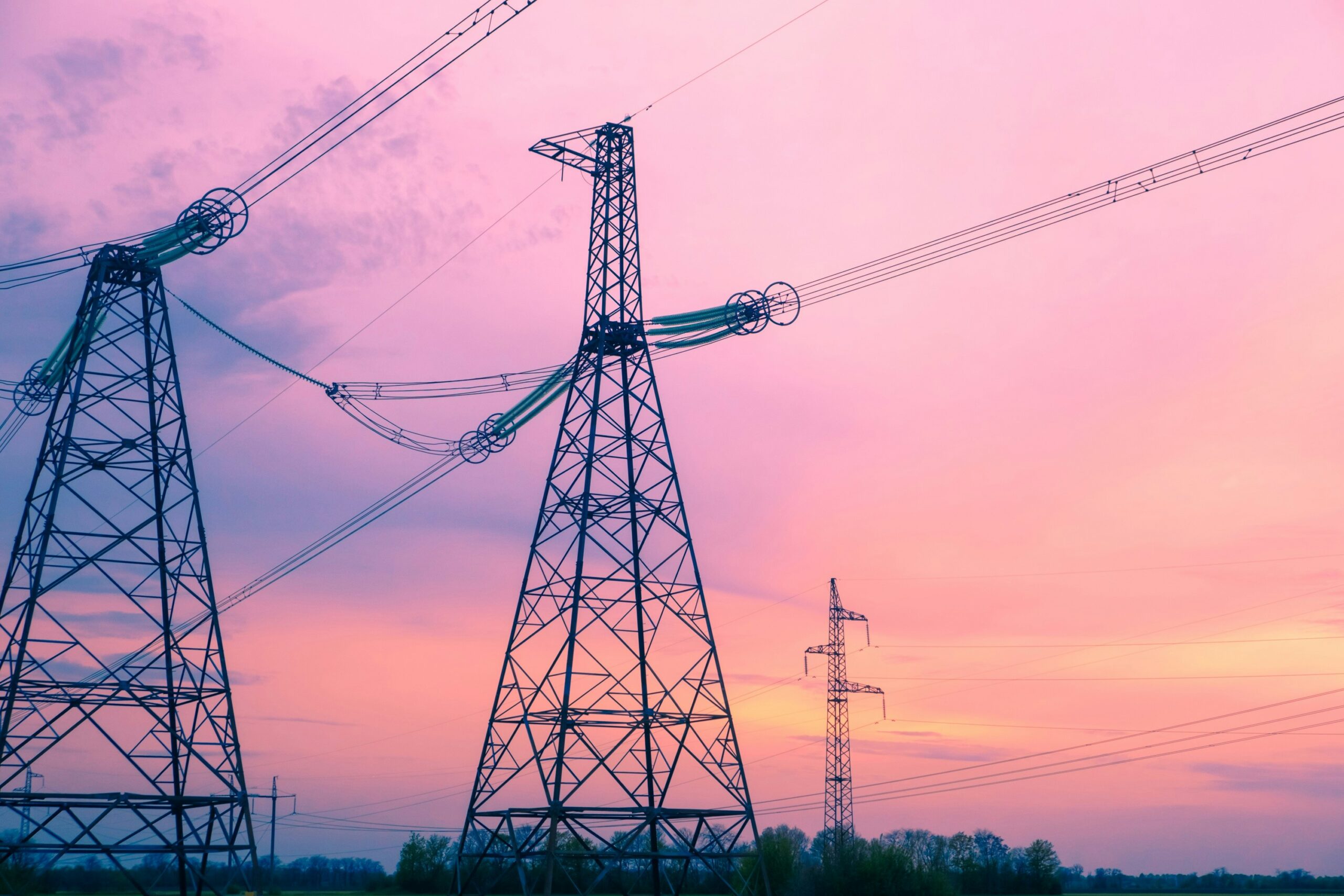
Before diving into the why, let’s make sure we’re clear on what an export limit actually is.When your solar panels generate more electricity than your home is using at that moment, the surplus power flows back into the electricity grid. This is called exporting. Under the Smart Export Guarantee (SEG), your energy supplier pays you for this exported electricity — so it’s not wasted, and it puts a little money back in your pocket.An export limit is simply a cap on how much of that surplus electricity you’re allowed to send back to the grid at any one time. For example, if your system has a 3.68kW export limit, even if your panels are generating 5kW and you’re only using 1kW at home, you can only push a maximum of 3.68kW back to the grid at any given moment.Think of it like water flowing through a pipe. When there’s no export limit, the tap is fully open and water flows freely. When a limit is applied, it’s as if someone has turned the tap down — the flow slows, but here’s the important part — the tank still empties. Your system is still generating, still saving you money, still storing energy in your battery. The flow to the grid is just a little slower. Nothing is truly lost.This limit is set not by your installer or your energy supplier — but by your DNO (Distribution Network Operator).
Who Are the DNOs and Why Do They Have This Power?
Your DNO is the company responsible for owning and maintaining the electricity network — the cables, substations, and infrastructure — in your region. Different parts of the UK have different DNOs. For example, UK Power Networks covers London and the South East, while Northern Powergrid covers Yorkshire and the North East.When your solar installer connects your system to the grid, they are legally required to notify or apply to your local DNO. This process involves submitting either a G98 notification (for smaller systems) or a G99 application (for larger systems requiring full approval).During this process, the DNO assesses whether your local electricity network can safely handle additional power being fed into it from your property. If they determine the local network is already under strain, they will approve your connection — but with an export limit attached.Think of your local electricity network like a road. The DNO is the highways authority. They can’t stop you from driving, but they can impose a speed limit if the road can’t safely handle everyone going full speed at the same time.
So Why Does My Neighbour Have No Limit But I Do?
This is the question that frustrates so many homeowners — and the answer comes down to a combination of timing, grid capacity, and changing attitudes toward renewable energy.
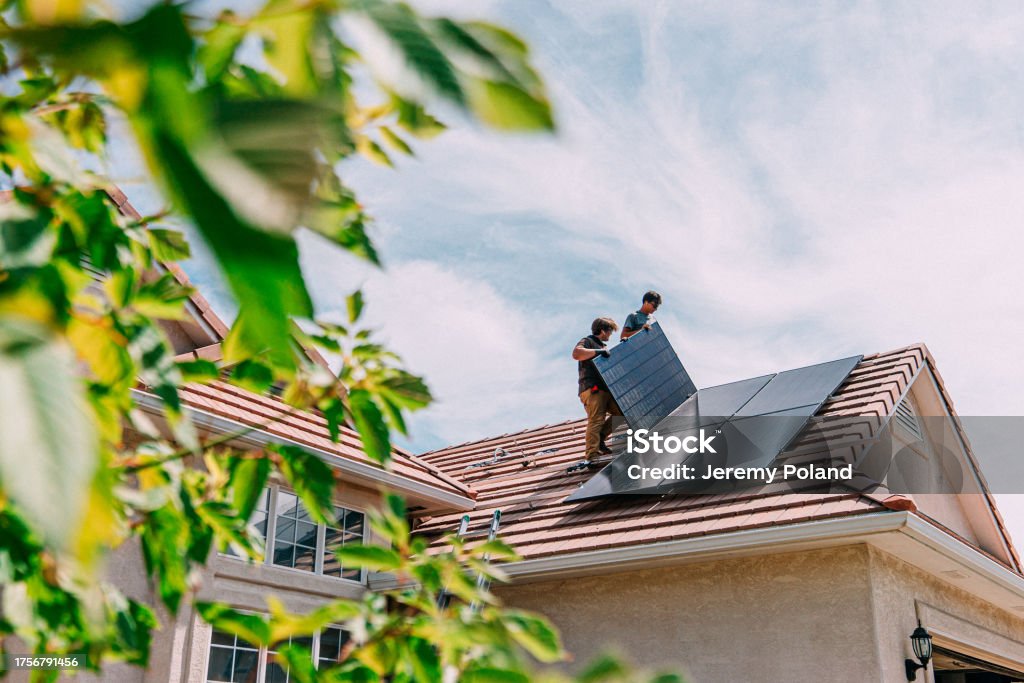
Timing plays a huge role. If your ne⁸ighbour had their solar system installed several years ago, the DNO’s approach at that time may have been considerably more lenient. The focus on domestic renewable energy was far less intense back then, meaning fewer homes in your area had solar panels feeding power back into the local grid. With less demand on the network from solar exports, the DNO had less reason to impose restrictions.
Fast forward to today, and the picture is very different. Solar panel installations across the UK have accelerated dramatically. Streets that once had one or two solar homes now have many — and that collective export capacity adds up quickly. The DNO now has to carefully manage how much power is being fed back into the local network at any one time, and part of that management involves imposing export limits on newer installations.
Grid balancing is the other key factor. The DNO has a responsibility to every household and business connected to the local network — not just solar owners. Too much power being pushed into a network that wasn’t designed to handle it can cause voltage fluctuations, which affect the quality and stability of electricity supply for everyone in the area. Export limits are one of the tools DNOs use to prevent this from happening.
It’s also about fairness across the network. Your DNO has to consider not just your system but every other solar installation in your street and surrounding area. By managing export limits carefully, they ensure that the available network capacity is shared reasonably — giving everyone the opportunity to connect and export, rather than letting early adopters take all the available headroom while later installations get blocked entirely.
So your neighbour isn’t getting a special deal. They simply got there first, when the road was quieter.
Does Your System Type Affect Your Export Limit
This is something that very few blogs talk about — but it’s genuinely important and worth understanding before you install.
Not all solar systems are the same, and the type of system you have can significantly influence how your export limit is applied in practice.
Standard hybrid inverter systems are the most common setup in UK homes. A single inverter manages both the solar panels and the battery storage, and the total system output is assessed as one figure by the DNO when setting your export limit.
Micro inverter systems work differently. Instead of one central inverter, micro inverters are fitted individually under each solar panel. Each micro inverter operates independently and is typically rated at a relatively low output — but when you add them all up across a full roof of panels, the combined system output can be substantial.Because each individual micro inverter has a small output, systems using micro inverters in combination with AC-coupled batteries are more likely to face greater downward pressure on their permitted export capacity compared to a standard hybrid inverter setup of a similar overall size. In practical terms, this means that if you have a larger micro inverter system, your export limit may feel more restrictive than a neighbour with a standard hybrid inverter of a comparable size.This is worth discussing with your installer before you commit to a system type — especially if maximising your export income is a priority for you.
What Actually Happens If the Export Limit Is Exceeded?
Most homeowners wonder — what’s actually stopping me from just ignoring the limit? The answer is that in most modern systems, you don’t get a choice.
Your inverter is configured to respect the export limit automatically. When your system reaches its permitted export threshold, the inverter will either reduce its output or divert surplus energy elsewhere rather than push it beyond the limit onto the grid.
If a system were to consistently export beyond its permitted limit, the consequences could include voltage rises on the local network — causing real problems for other households nearby, including flickering lights, appliance issues, and in more serious cases, damage to sensitive electrical equipment.
From a legal and contractual standpoint, exporting beyond your agreed limit without DNO approval is a breach of your grid connection agreement. Reputable installers configure systems correctly from day one — so this should never be something you need to worry about if your system has been properly installed.
Can You Get Your Export Limit Removed or Increased?
The short answer is yes — but it almost certainly isn’t worth pursuing unless your system is particularly large or your export income is central to your financial plan.
To have your export limit increased or removed, your DNO would need to carry out network strengthening works in your area — upgrading local cables, transformers, or substations to give the network additional capacity. These works can run into the thousands of pounds, and the cost falls on you as the applicant. For most homeowners, the return from exporting a little more electricity simply doesn’t justify that investment.
There is an alternative worth knowing about — dynamic export limiting. Some modern inverters support this technology, which allows your export limit to flex in real time based on actual network conditions rather than being fixed at a hard cap. When the network has spare capacity, you can export more. When it’s under strain, your export automatically reduces. Some DNOs are beginning to accept dynamic export limiting as an alternative to a fixed limit, which in practice can mean you export more overall. Ask your installer whether your inverter supports this and whether your DNO accepts it.
That said — it is always worth having an honest conversation with your installer about how an export limit factors into your projected savings before you sign anything. A good installer will model this for you clearly and adjust your expectations accordingly.
And if you feel your limit is unreasonable? Ask. Push back. Request a review. As the saying goes — the cat that doesn’t cry doesn’t get the milk. You won’t always get the answer you want, but you’ll never know unless you ask.
Does an Export Limit Actually Matter That Much?
Here’s the reassuring part — and this is something that often gets lost in the frustration of discovering you have a limit.
For the vast majority of UK homeowners, an export limit has very little impact on the real-world value of their solar system.
Your system should be designed for self-consumption first. The primary purpose of your solar panels is to power your home directly — reducing the amount of electricity you need to buy from the grid. Every kilowatt hour your panels generate and your home uses directly is a kilowatt hour you’re not paying your energy supplier for. That saving is immediate, consistent, and an export limit has absolutely no effect on it whatsoever.
Export is a bonus, not the main event. Think of it like overtime at work. Your main salary is self consumption — that’s what pays your bills every month, consistently and reliably. Export payments through the Smart Export Guarantee are your overtime — genuinely welcome, but not something you’d turn down a great job over just because overtime is capped. The real value was always in the job itself.
With a battery, the impact reduces even further. If your system includes battery storage, surplus energy that might otherwise hit the export limit gets stored instead. You then use that stored energy in the evening or overnight — which is worth significantly more to you than exporting it at the prevailing SEG rate.
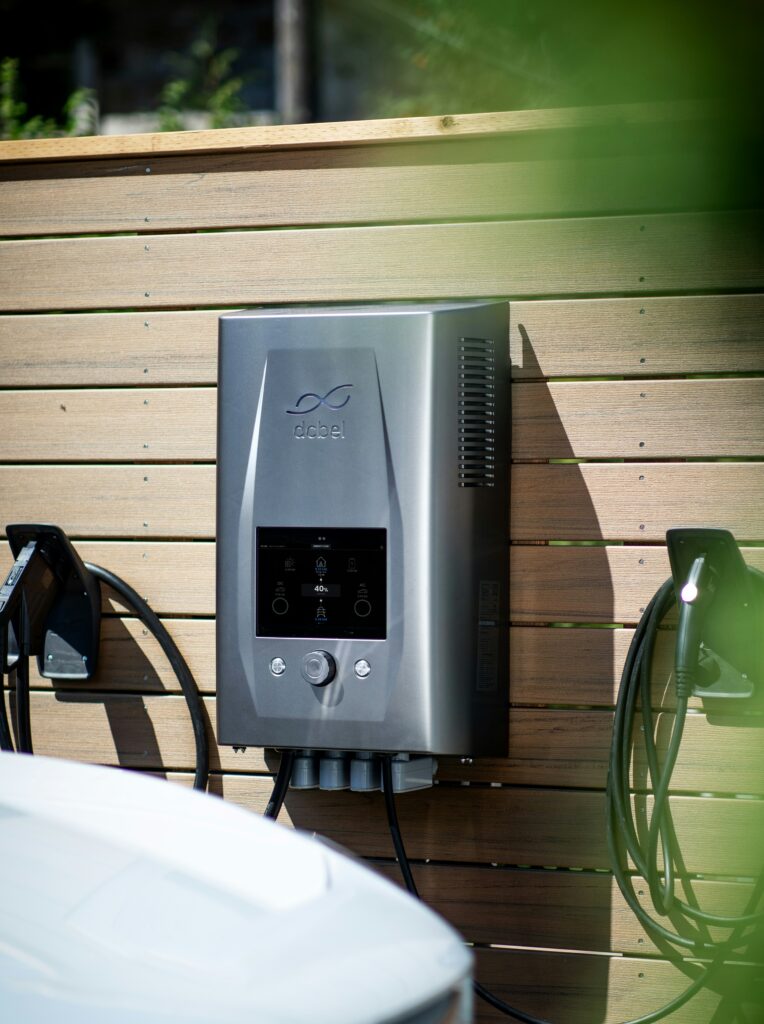
The bottom line — if your system has been properly designed around your household’s energy usage, an export limit is largely a background detail rather than a meaningful financial constraint.
Conclusion
Finding out your neighbour has no export limit while you do can feel frustrating — but it’s important to understand it in context. They got there earlier, the grid was less congested, and the DNO had more headroom to be generous. That’s it. It isn’t a reflection of your system’s quality or your installer’s work.
Export limits exist to keep the electricity network stable and fair for everyone. They are a practical reality of a grid that was never originally designed to handle millions of homes generating and exporting their own electricity.
The good news is that for a well-designed solar and battery system focused on self-consumption, an export limit is unlikely to affect your savings in any meaningful way. The real value of going solar is in what you generate and use yourself — and nobody can put a limit on that.
Hi, this is a comment.
To get started with moderating, editing, and deleting comments, please visit the Comments screen in the dashboard.
Commenter avatars come from Gravatar.